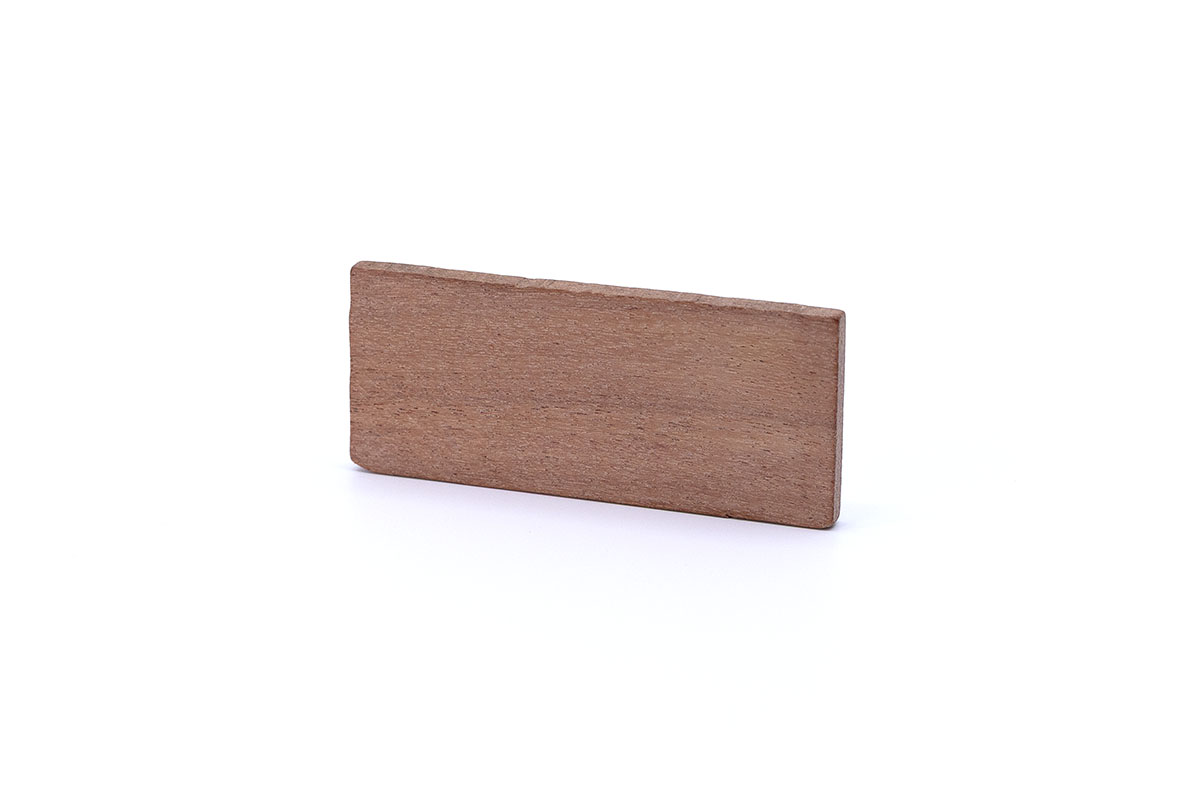
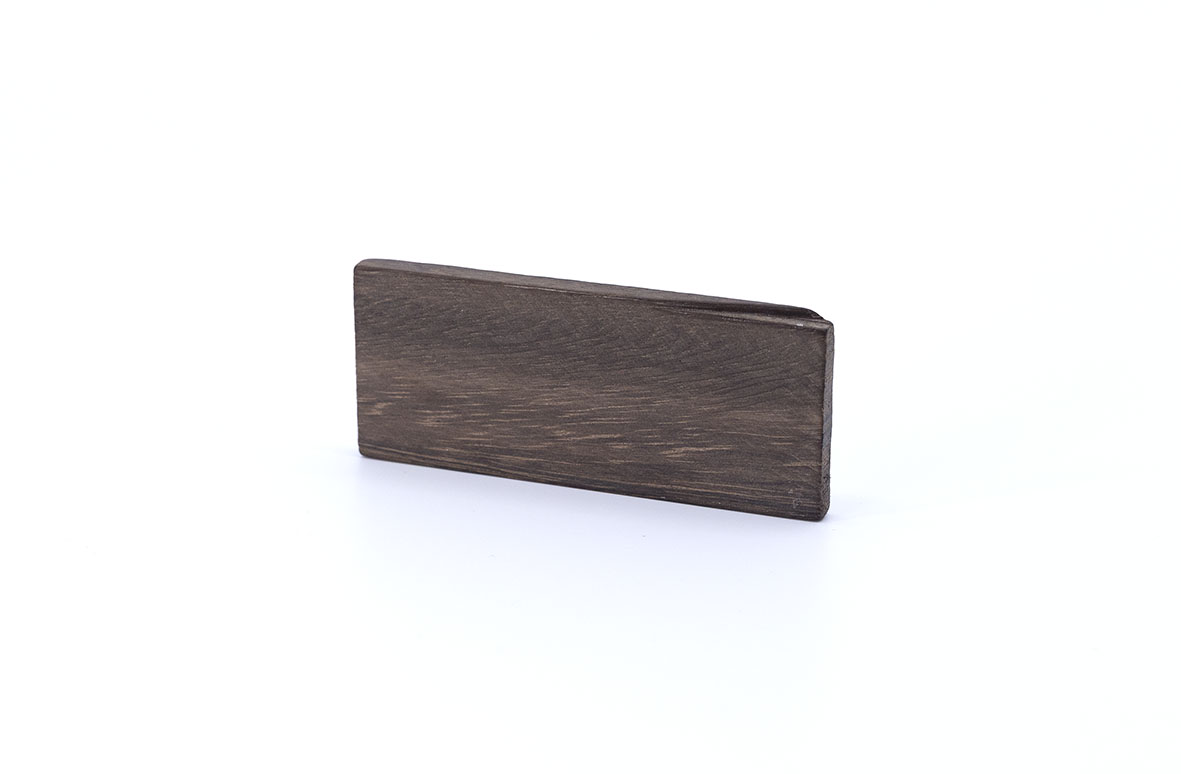
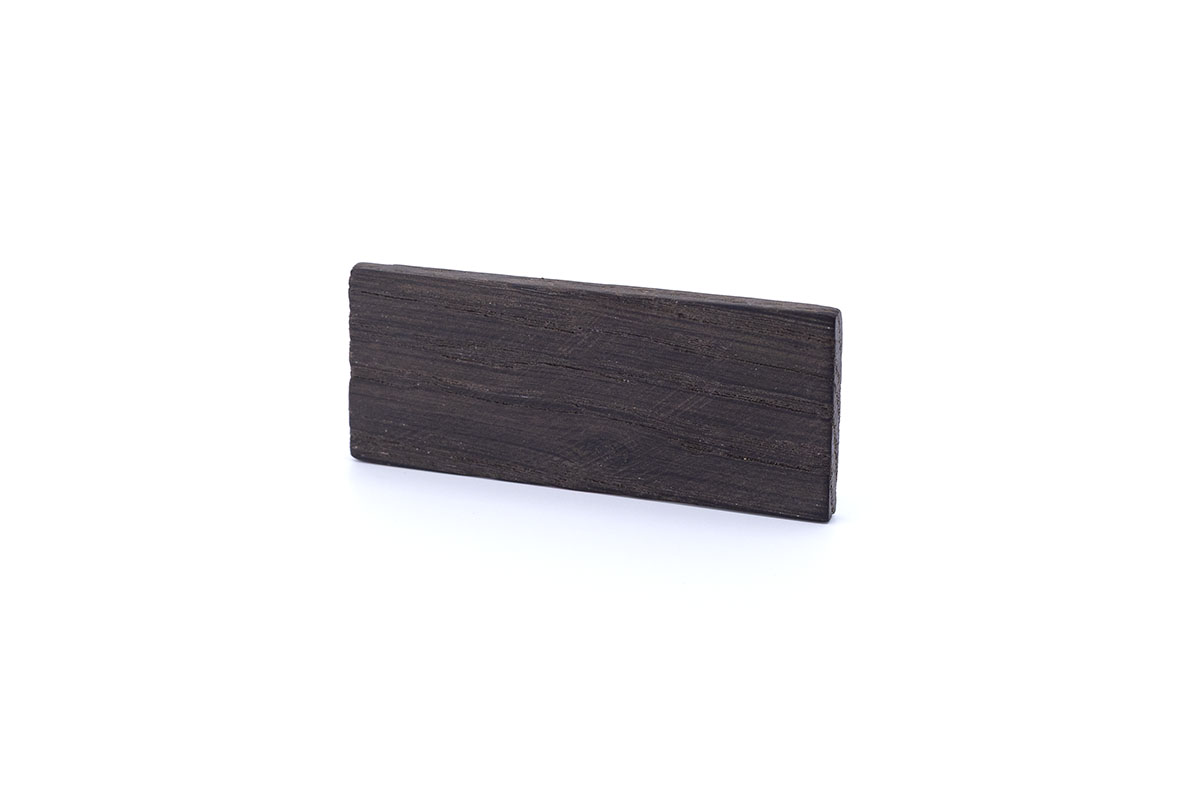
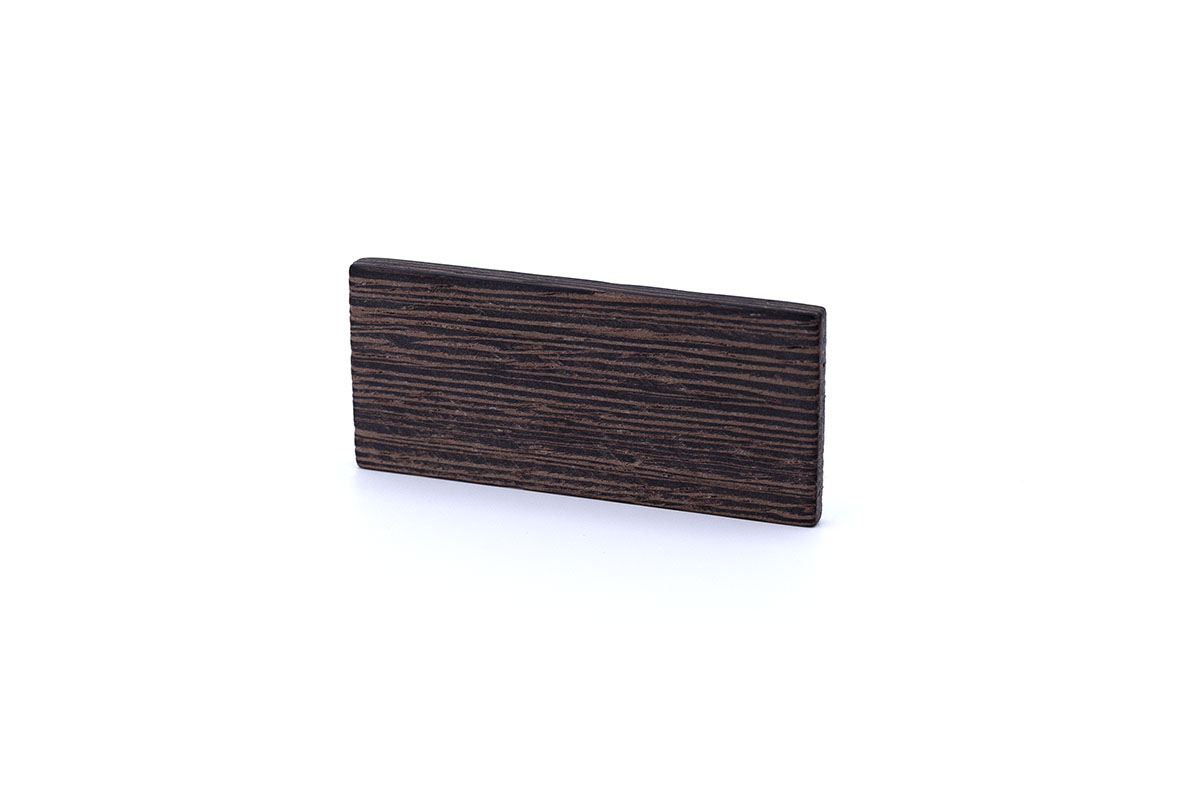
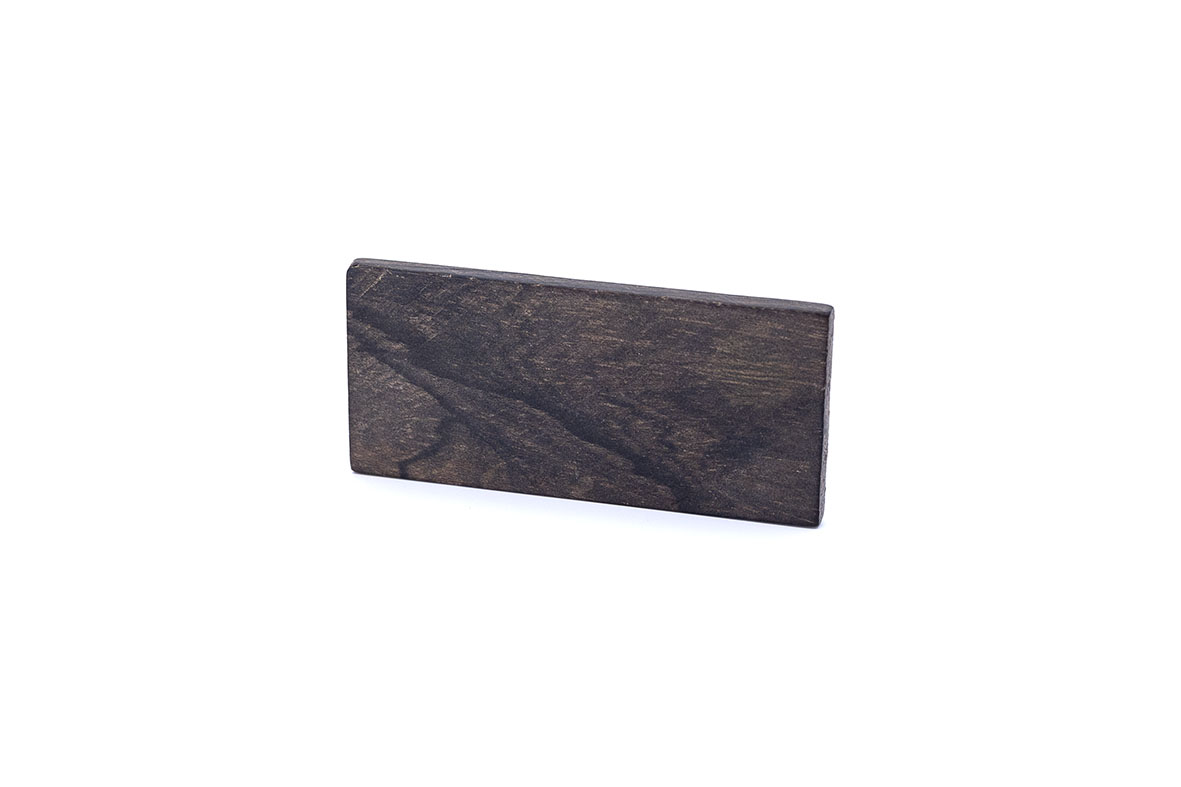
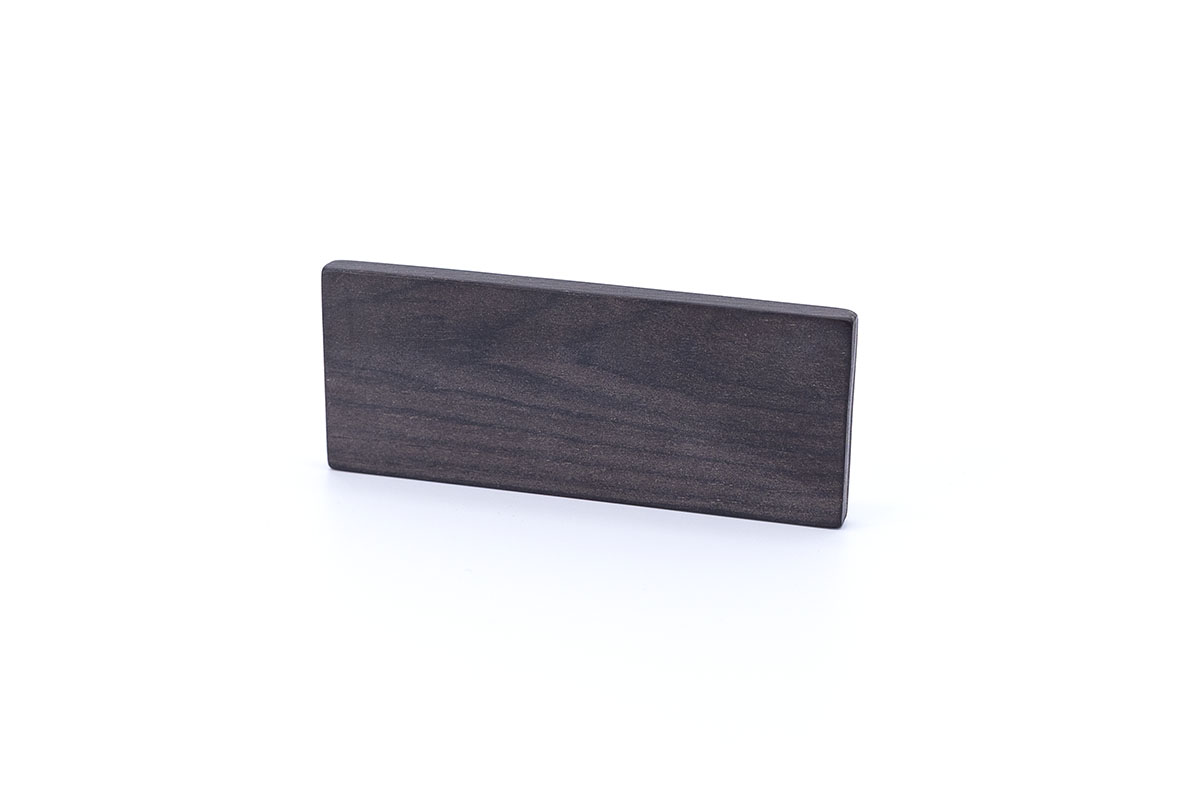
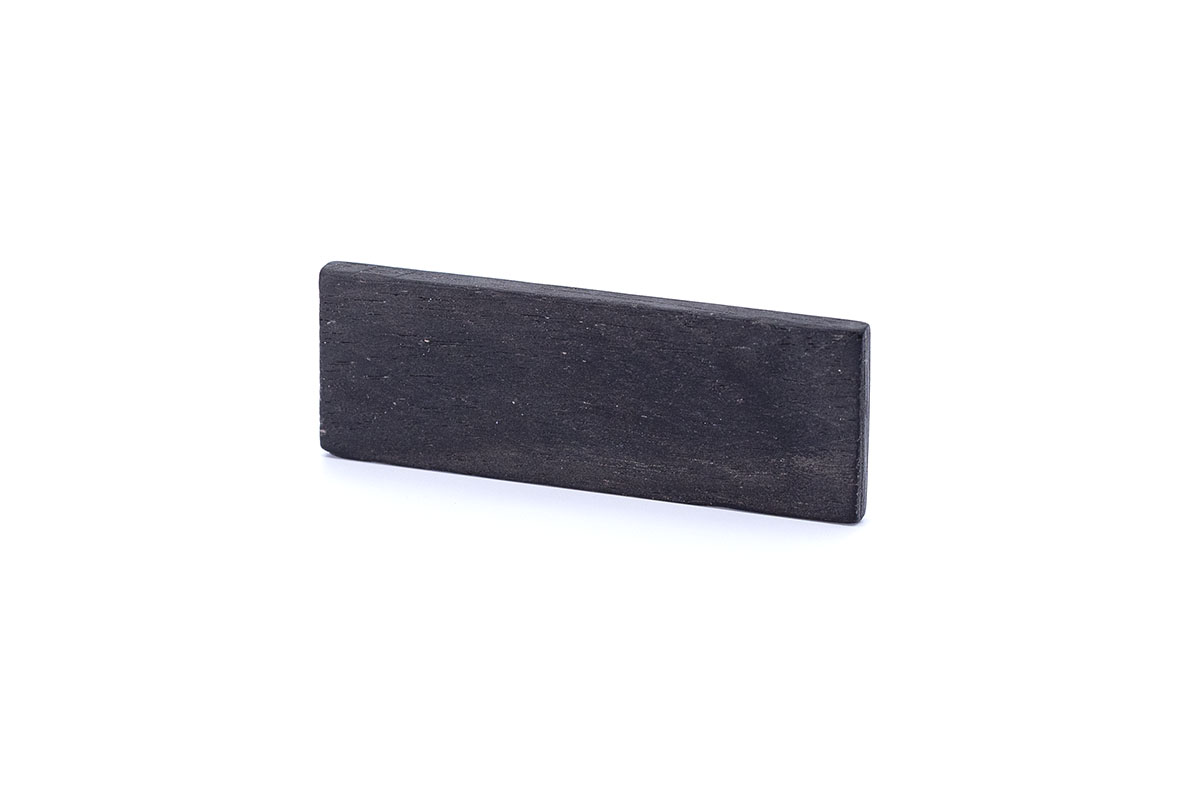
natural woods

Tradition, Nobility, and Beauty

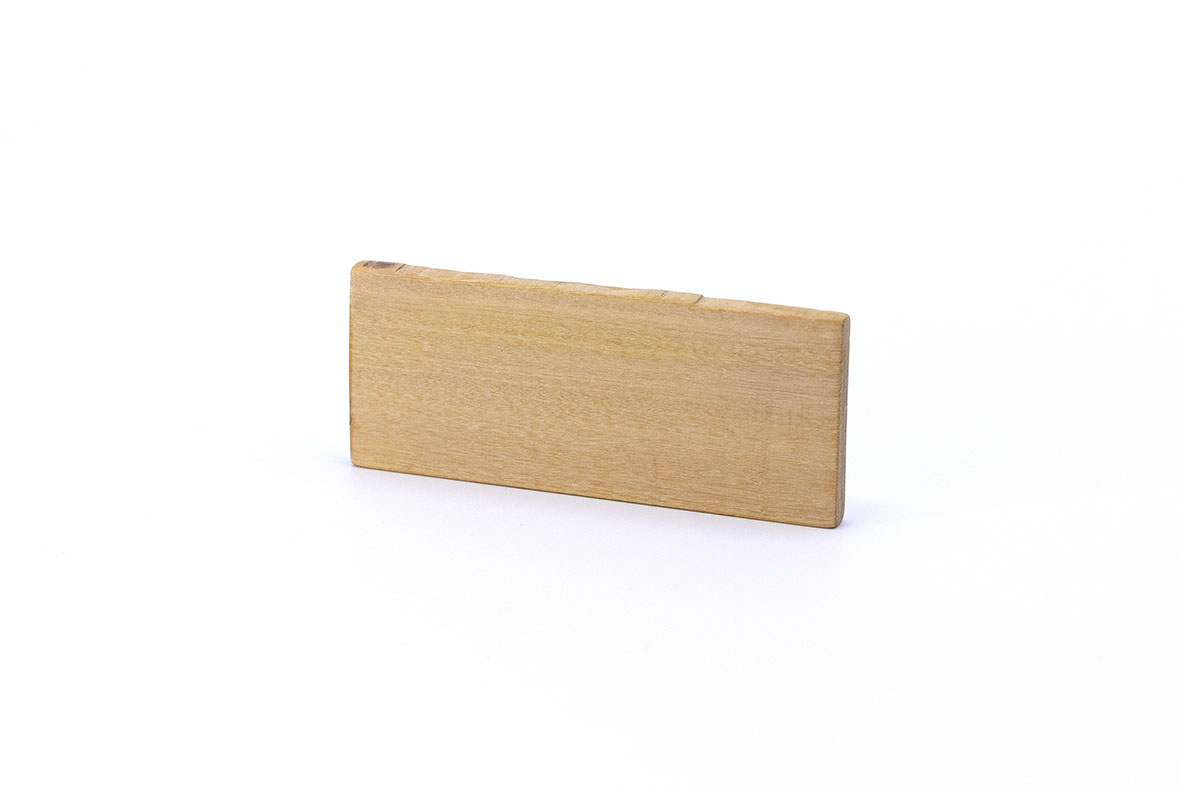
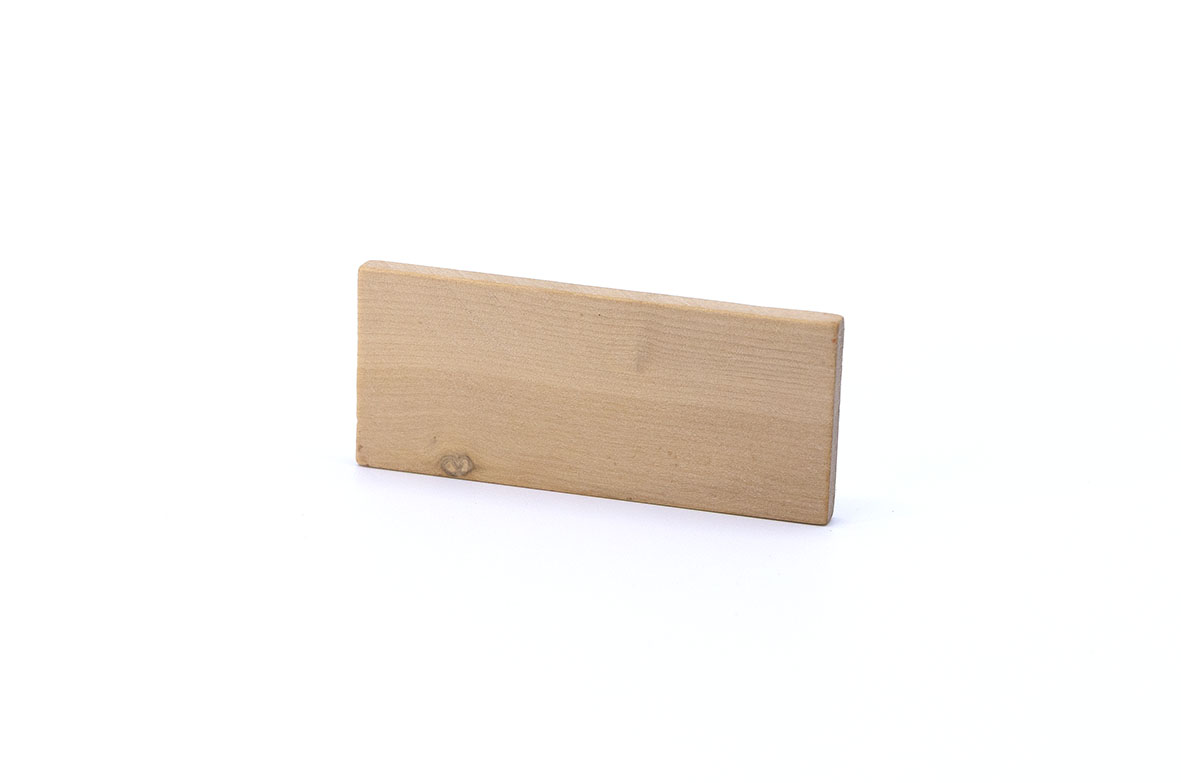
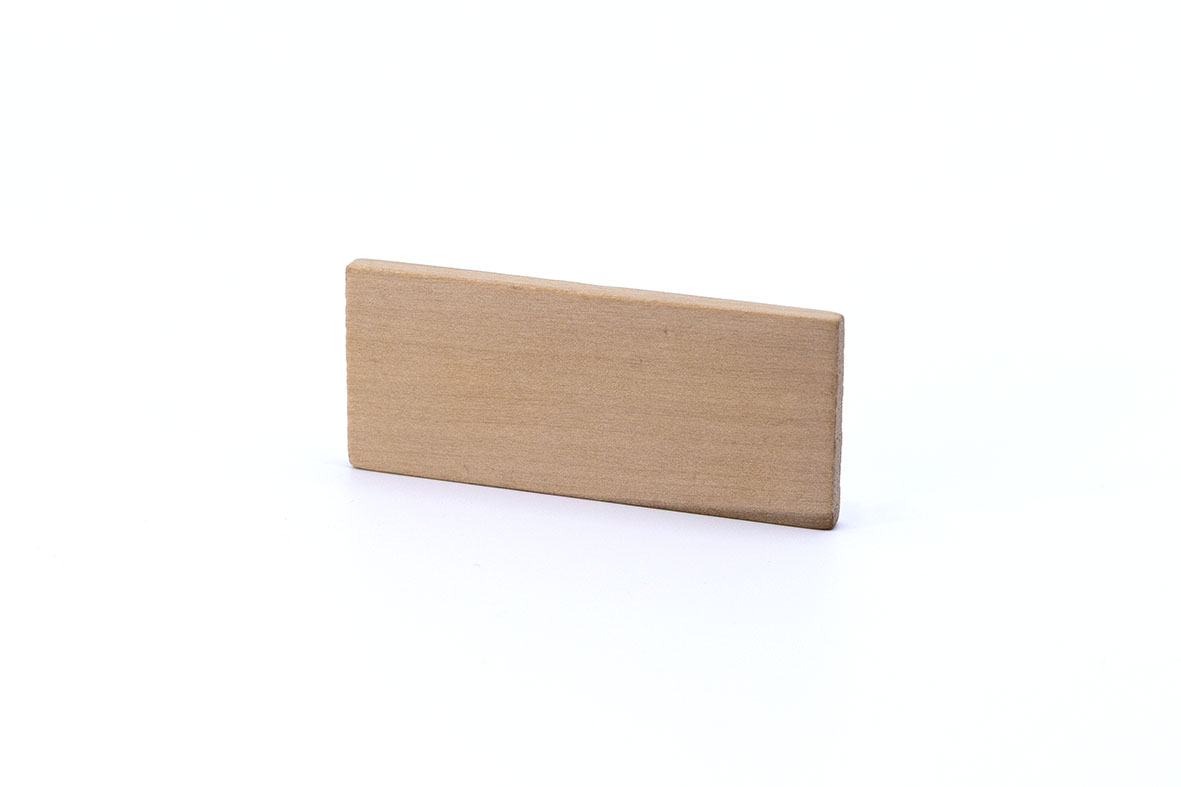
Abedul

Nombre botánico: Betula Alba, L.
Familia botánica: Betuláceas.
Origen: Europa
Dureza: Blanda
Densidad 15% humedad: 500 Kg/m³

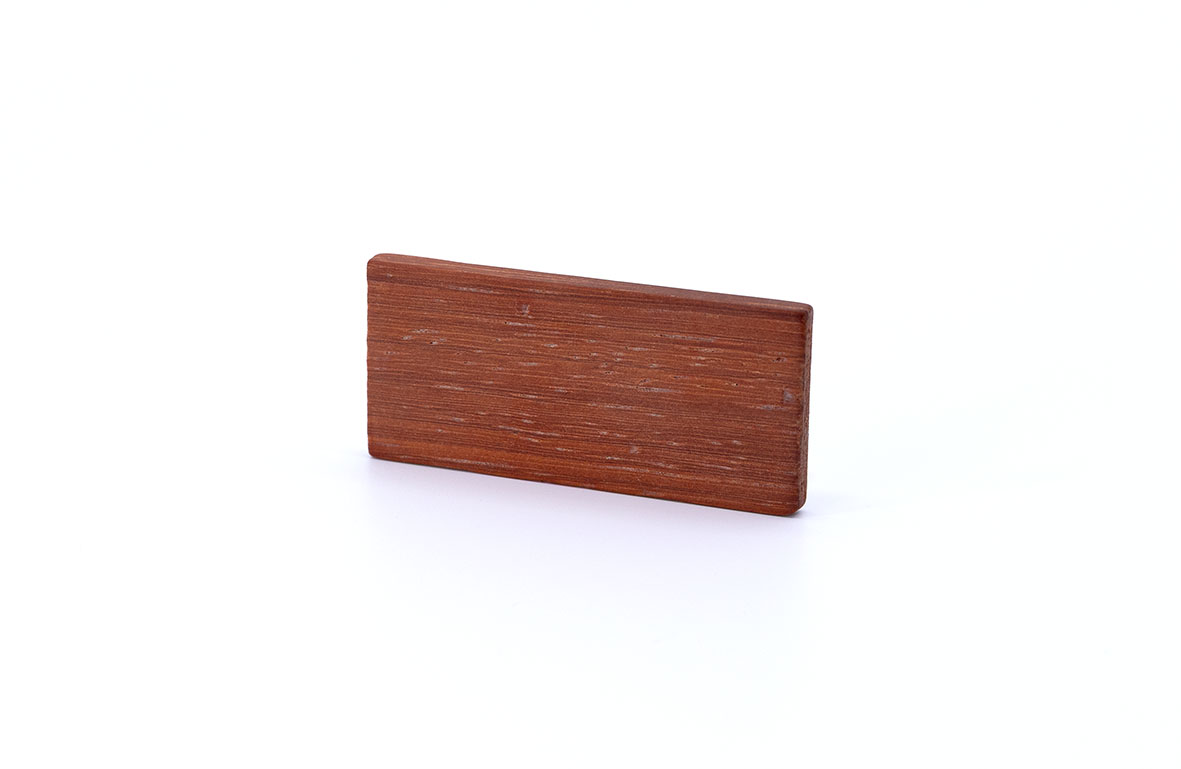
Amaranto

Nombre botánico: Peltogyne Pubescens.
Origen: México y Centroamérica
Dureza: Dura
Densidad 15% humedad: 872 Kg/m³

Baitoa

Nombre botánico: Buxus Sempervirens, L.
Familia botánica: Euforbiáceas (Buxáceas)
Origen: Norteamérica
Dureza: Dura
Densidad 15% humedad: 960 Kg/m³

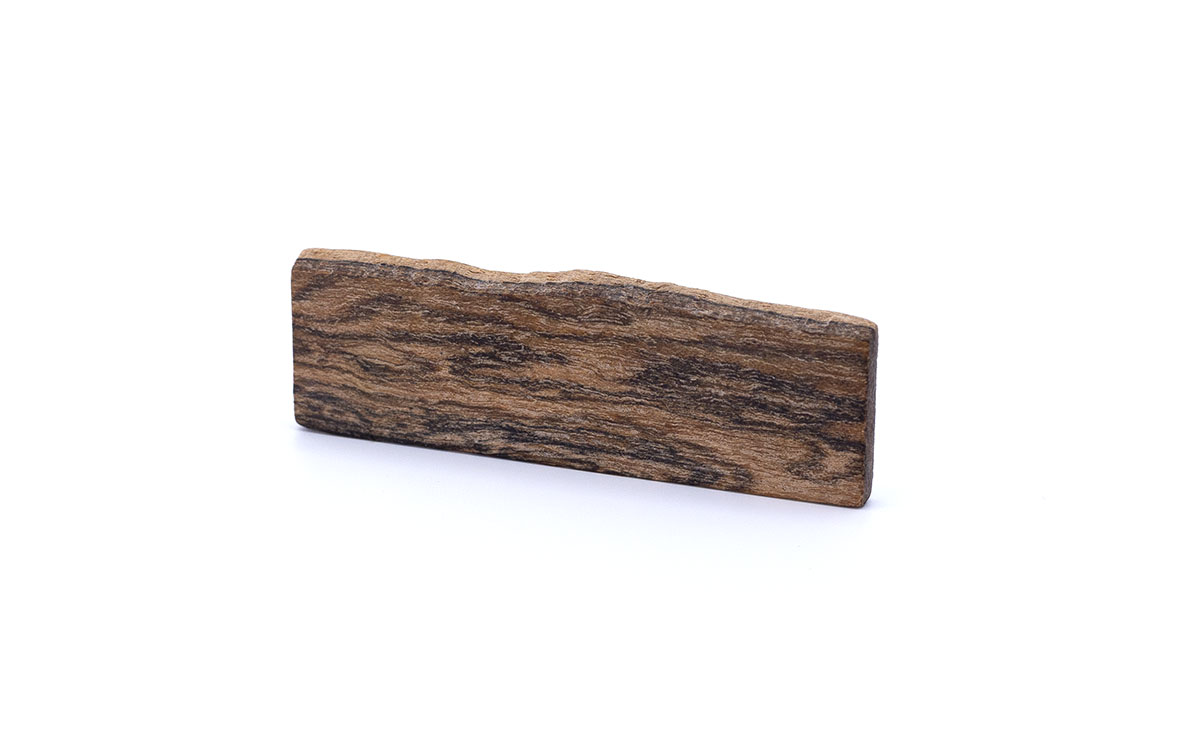
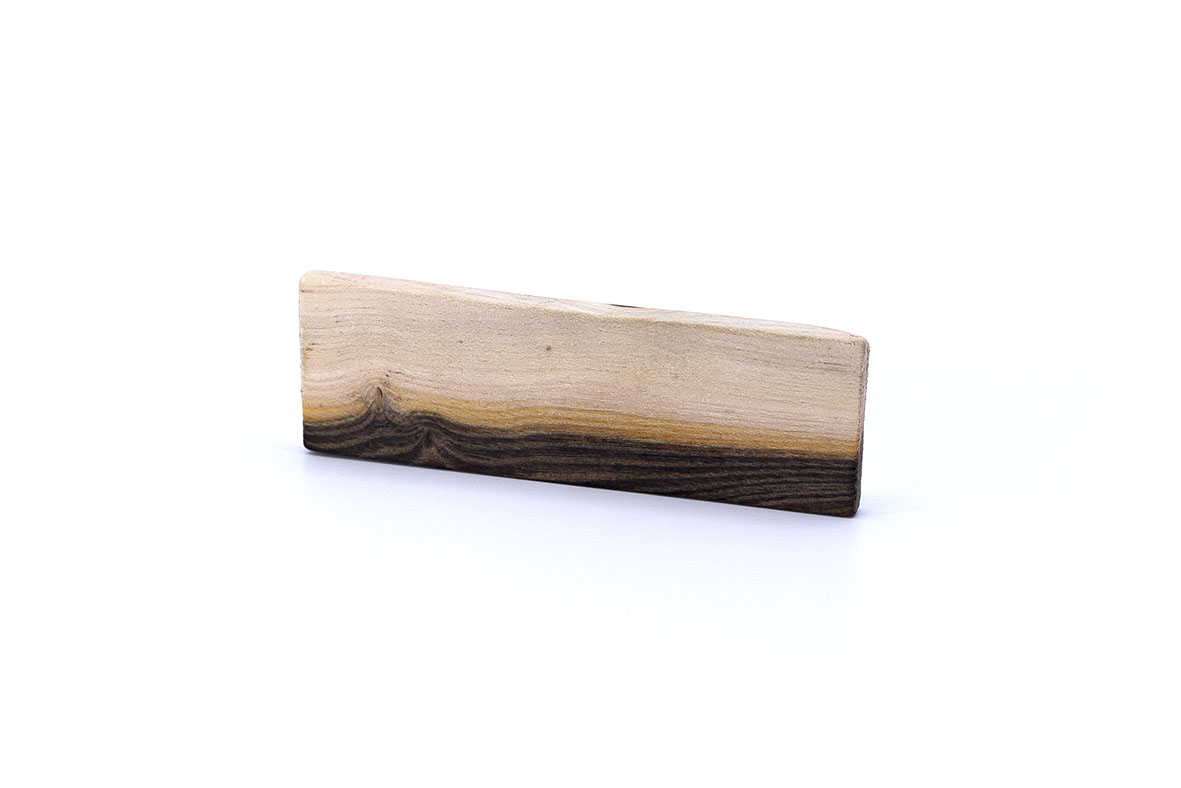
Bocote

Nombre botánico: Cordia spp.
Familia botánica: Boragináceas.
Origen: México
Dureza: Semidura
Densidad 15% humedad: 740 Kg/m³

Boj

Nombre botánico: Buxus Sempervirens, L.
Familia botánica: Euforbiáceas (Buxáceas)
Origen: Europa
Dureza: Dura
Densidad 15% humedad: 960 Kg/m³

Castello

Nombre botánico: Calyophyllum Multiflorum.
Origen: Sudamérica
Dureza: Dura
Densidad 15% humedad: 820 Kg/m³

Ébano Africano

Nombre botánico: Diospyros Crassiflora, Hiem.
Familia botánica: Ebanáceas.
Origen: Oeste de África
Dureza: Dura
Densidad 15% humedad: 1000 Kg/m³

Encina

Nombre botánico: Quercus Ilex, L.
Familia botánica: Fagáceas.
Origen: Mediterráneo
Dureza: Dura
Densidad 15% humedad: 800 Kg/m³

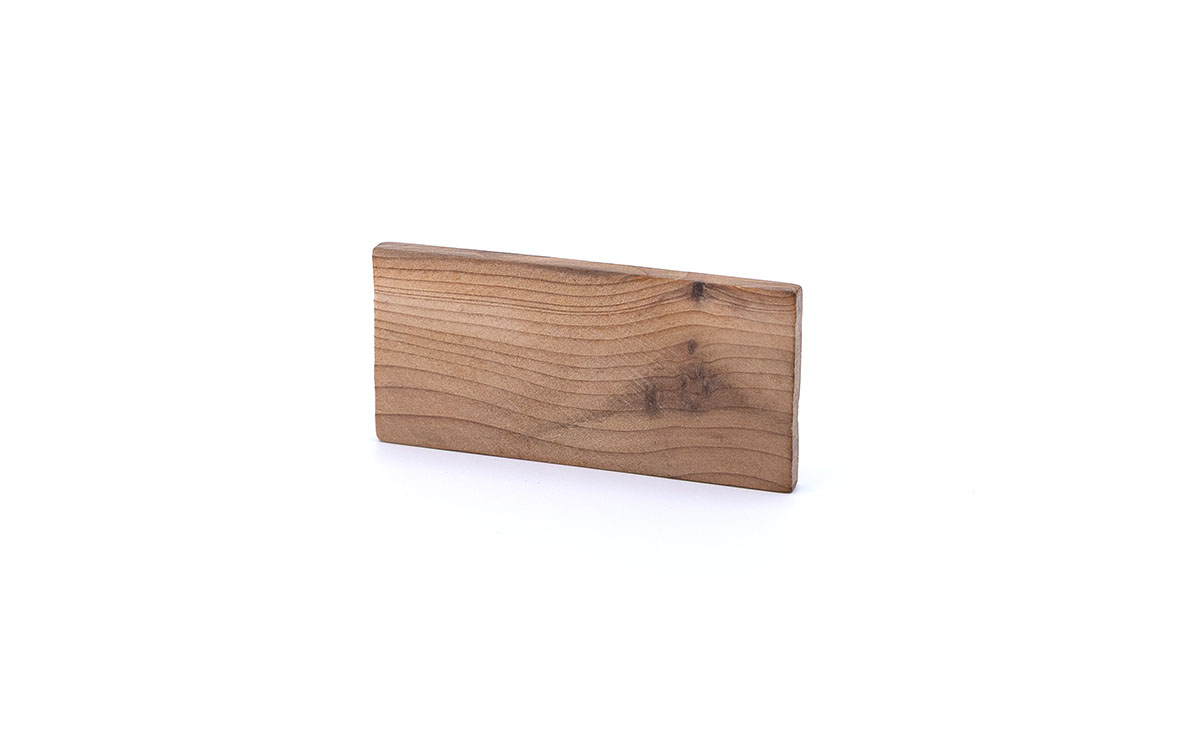
Enebro común

Nombre botánico: Juniperuscom Munis, L.
Familia botánica: Cupresáceas.
Origen: Europa y Norte de África
Dureza: Semidura
Densidad 15% humedad: 600 Kg/m³

Eucalipto Ahumado

Nombre botánico: Eucalyptus Globulus.
Origen: Galicia
Dureza: Blanda
Densidad 15% humedad: 550 Kg/m³

Certificaciones

Granadillo de África

Nombre botánico: Dalbergia Melanoxylon, Guill. Et Perr.
Familia botánica: Leguminosas.
Origen: Este de África
Dureza: Dura
Densidad 15% humedad: 1100 Kg/m³

Certificaciones

Kotibé

Nombre botánico: Nesogordonia Papaverifera, A. Chev. Cap.
Familia botánica: Sterculiáceas
Origen: Oeste, Este y Centro de África
Dureza: Semidura
Densidad 15% humedad: 600 Kg/m³

Certificaciones

Mongoy

Nombre botánico: Guibourtia Ehie.
Origen: Este y Centro de África
Dureza: Dura
Densidad 15% humedad: 790 Kg/m³

Certificaciones

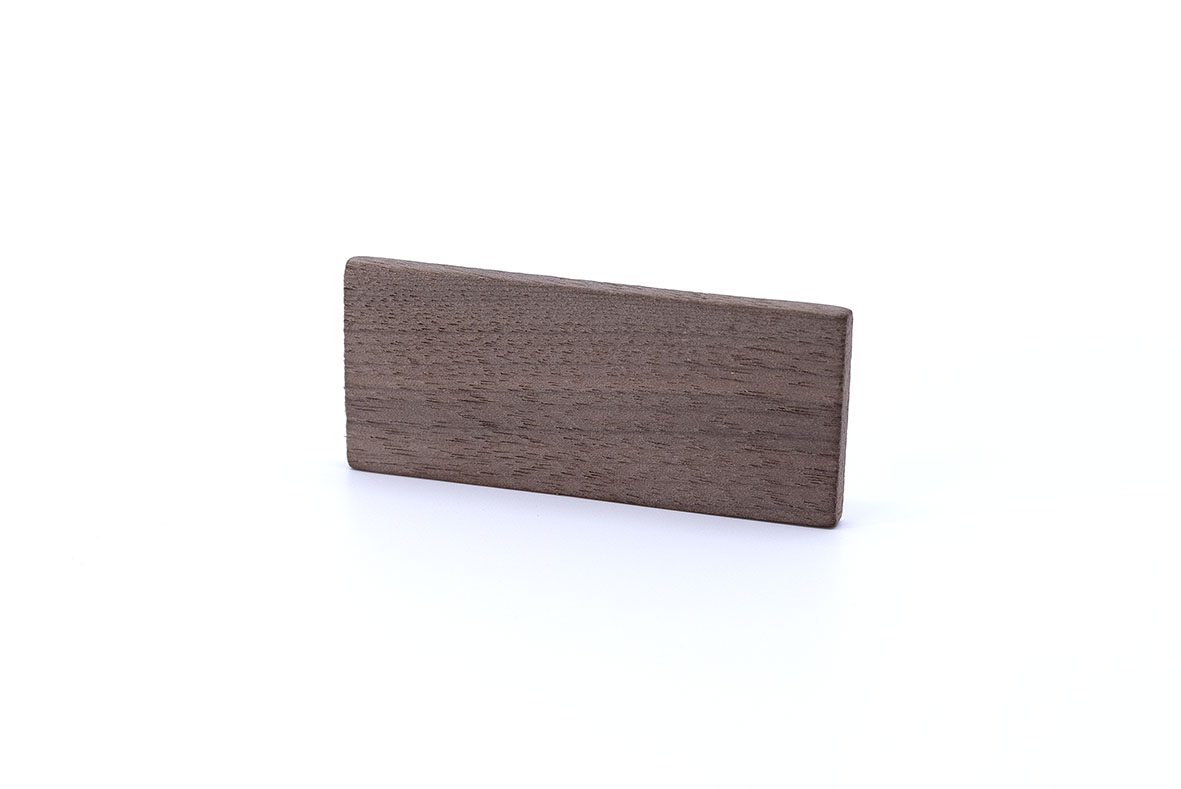
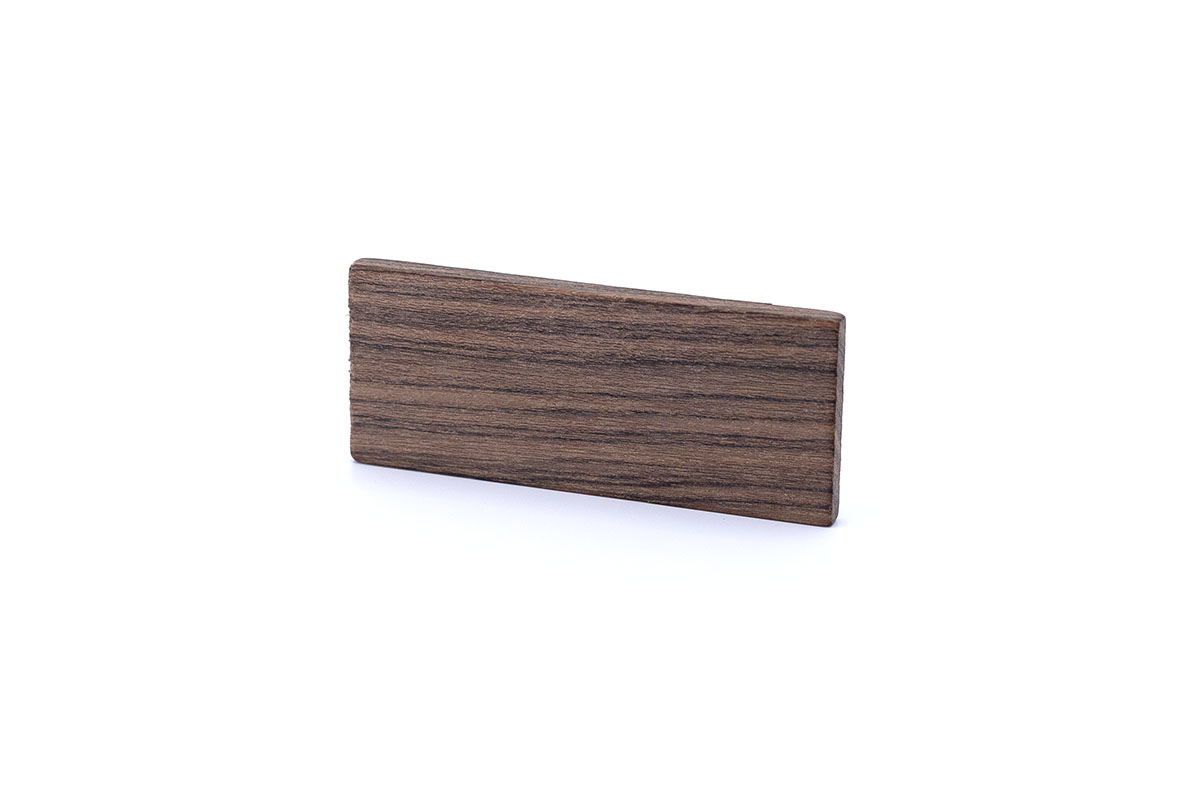
Nogal Común

Nombre botánico: Juglans Regia, L.
Familia botánica: Juglandáceas.
Origen: Sureste de Europa
Dureza: Semidura
Densidad 15% humedad: 670 Kg/m³

Olivo

Nombre botánico: Olea Europaea, L. Fam.
Familia botánica: Oleáceas.
Origen: Sureste de Europa
Dureza: Semidura
Densidad 15% humedad: 700 Kg/m³

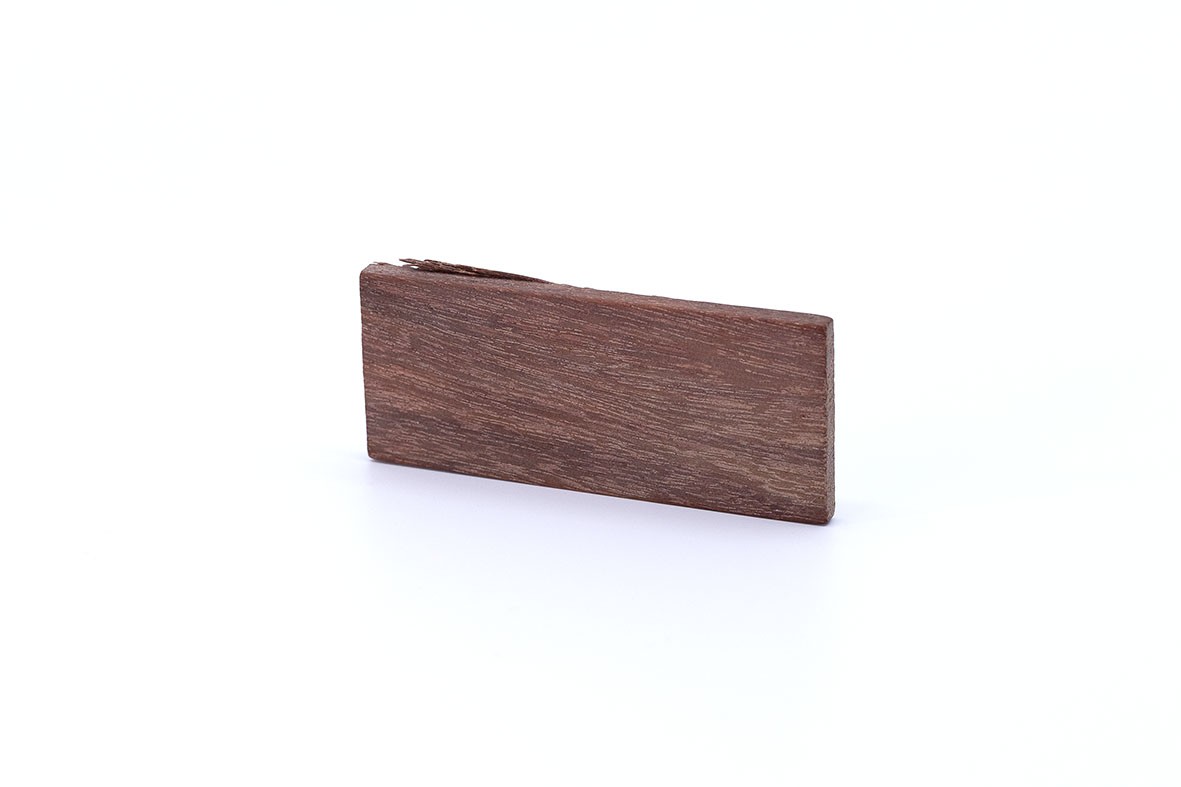
Padouk de África

Nombre botánico: Pterocarpus Soyauxii, Taub.
Familia botánica: Leguminosas.
Origen: Oeste y Centro de África
Dureza: Semidura
Densidad 15% humedad: 700 Kg/m³

Certificaciones

Palo Rosa

Nombre botánico: Swartzia Fistuloides, Harms.
Familia botánica: Leguminosas.
Origen: Oeste de África
Dureza: Dura
Densidad 15% humedad: 950 Kg/m³

Certificaciones

Palo Violeta

Nombre botánico: Dalbergia Cearensis, L.
Familia botánica: Leguminosas.
Origen: Brasil
Dureza: Dura
Densidad 15% humedad: 900 Kg/m³

Certificaciones

Picana

Nombre botánico: Cordia Alliodora.
Origen: Sudamérica
Dureza: Semidura
Densidad 15% humedad: 650 Kg/m³

Pistacho

Nombre botánico: Pistacia Vera
Origen: Europa
Dureza: Dura
Densidad 15% humedad: 840 Kg/m³

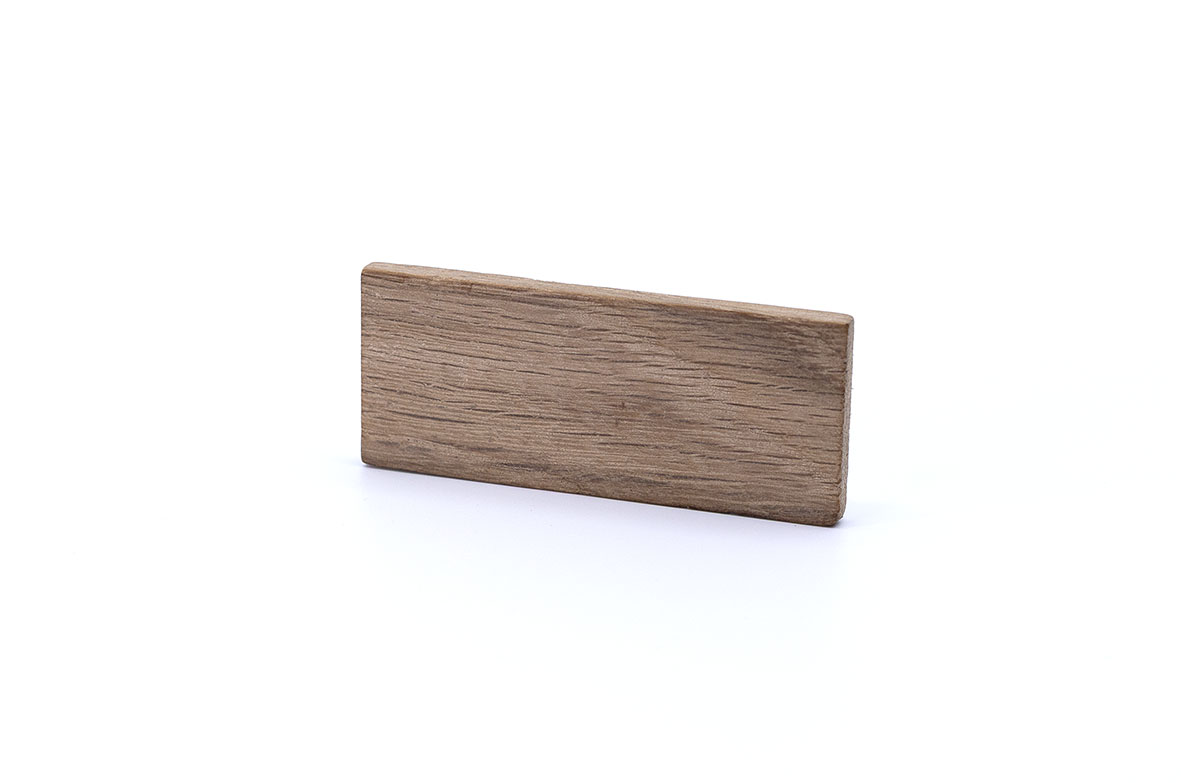
Roble

Nombre botánico: Quercus Robur.
Origen: Europa
Dureza: Semidura
Densidad 15% humedad: 725 Kg/m³

Certificaciones

Roble Ahumado

Nombre botánico: Quercus Ilex.
Origen: Europa
Dureza: Semidura
Densidad 15% humedad: 600 Kg/m³

Certificaciones

Santos Morado

Nombre botánico: Machaerium Escleroxylon.
Origen: Sudamérica
Dureza: Dura
Densidad 15% humedad: 850-950 Kg/m³

Satiné

Nombre botánico: Brosimum Paraense Hub.
Familia botánica: Moráceas.
Origen: Centroamérica y Sudamérica
Dureza: Dura
Densidad 15% humedad: 1100 Kg/m³

Sirari

Nombre botánico: Ormosia Nobilis.
Origen: Sudamérica
Dureza: Semidura
Densidad 15% humedad: 650 Kg/m³

Tejo

Nombre botánico: Taxus Baccata, L.
Familia botánica: Taxáceas.
Origen: Europa y Norte de África
Dureza: Semidura
Densidad 15% humedad: 650 Kg/m³

Tuya

Nombre botánico: Thuja Orientalis L.
Familia botánica: Cupresáceas.
Origen: Irán, China y Corea.
Dureza: Semidura
Densidad 15% humedad: 650 Kg/m³

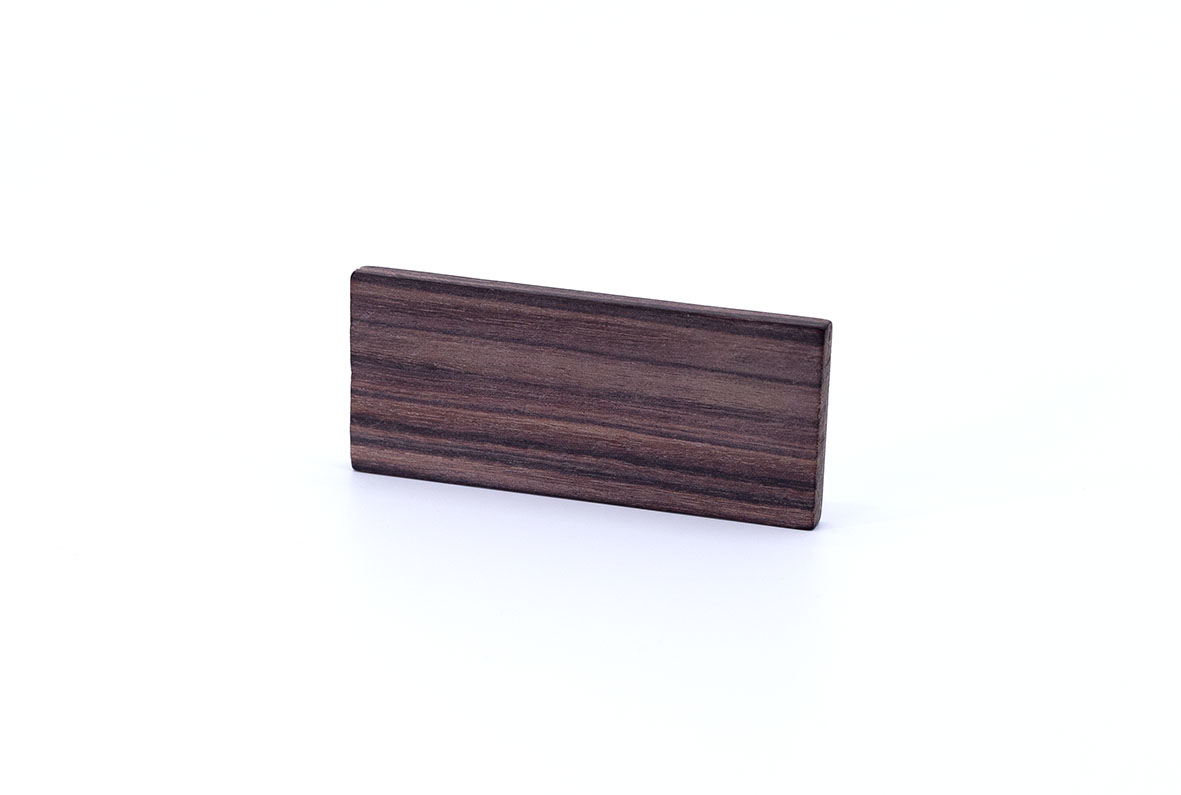
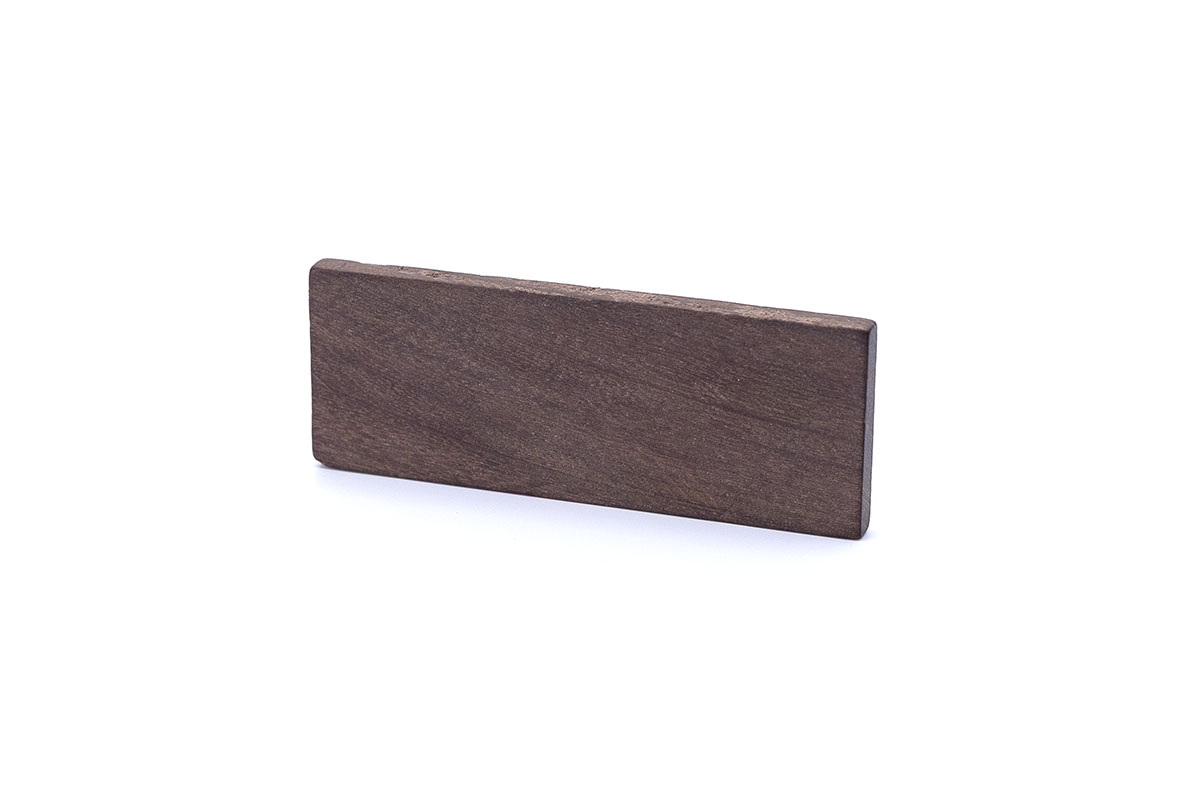
Wenge

Nombre botánico: Milletia Laurentii, Wild.
Familia botánica: Leguminosas.
Origen: Oeste de África
Dureza: Dura
Densidad 15% humedad: 750 Kg/m³

Ziricote

Nombre botánico: Cordia Dodecandra.
Origen: México y Centroamérica
Dureza: Dura
Densidad 15% humedad: 800 Kg/m³

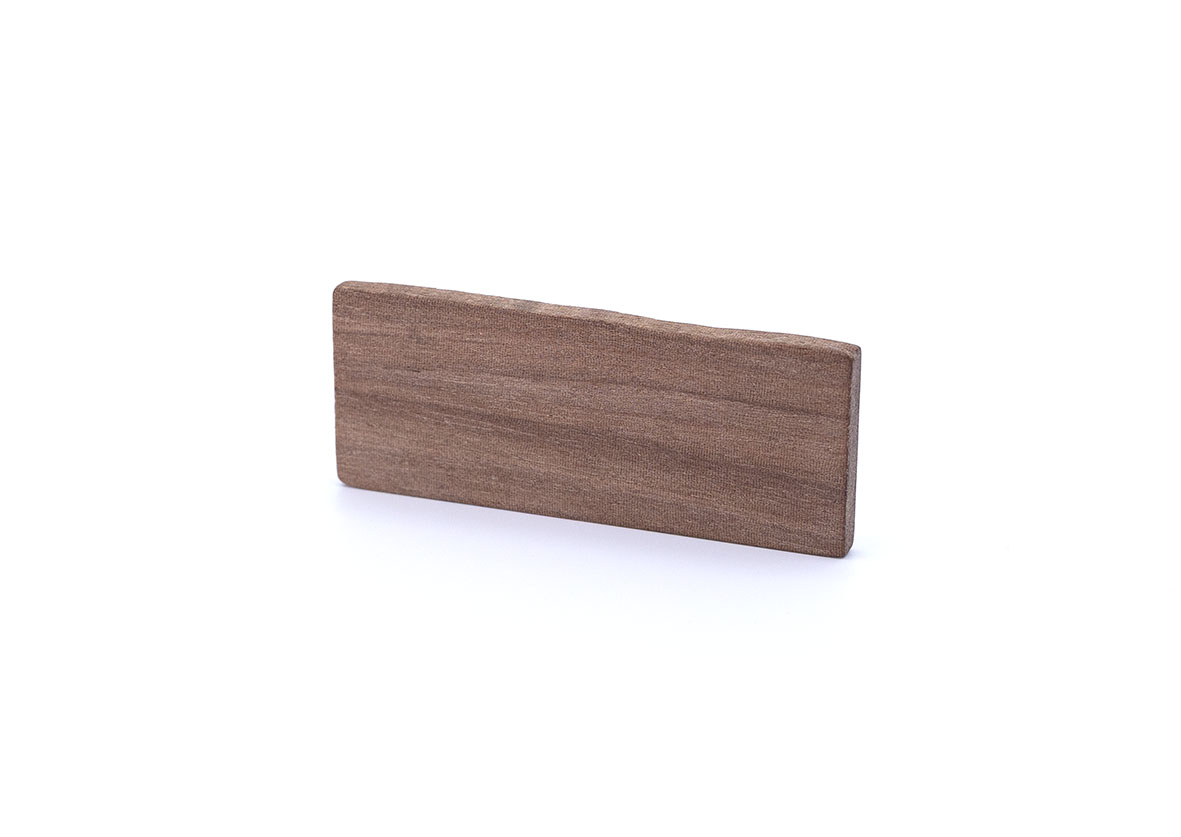
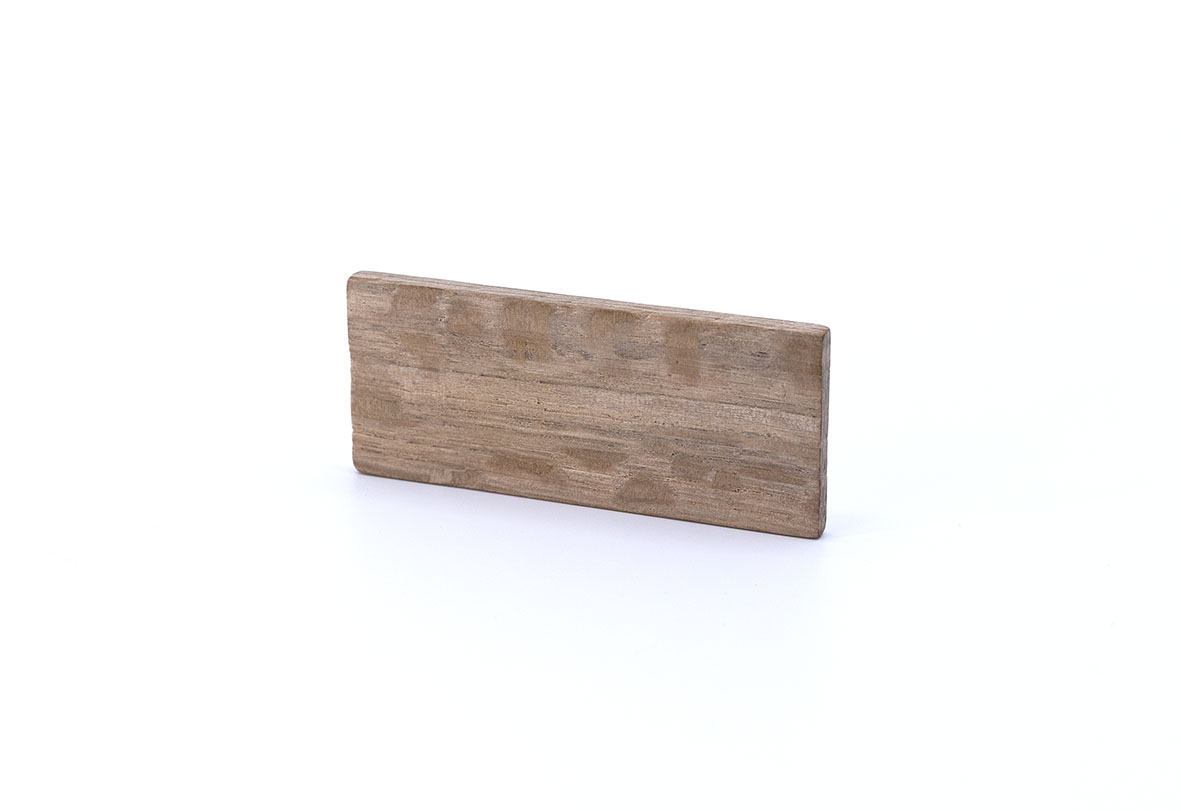
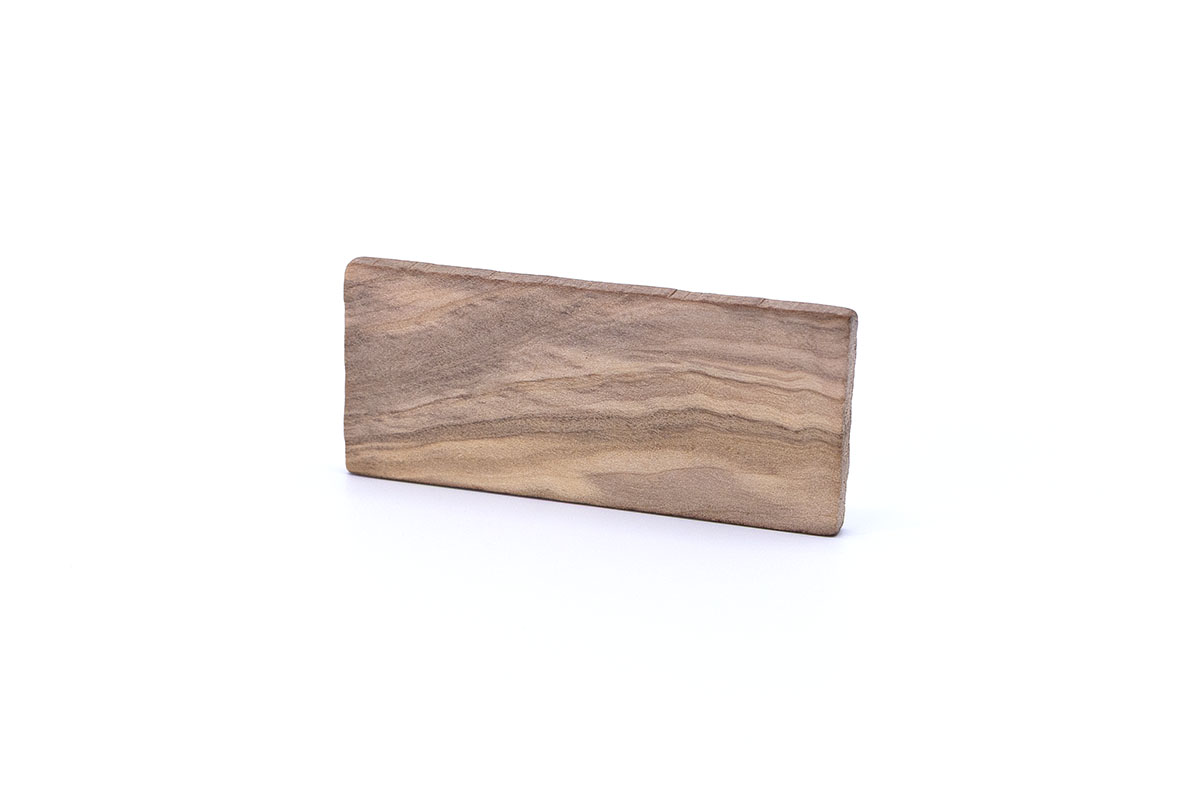
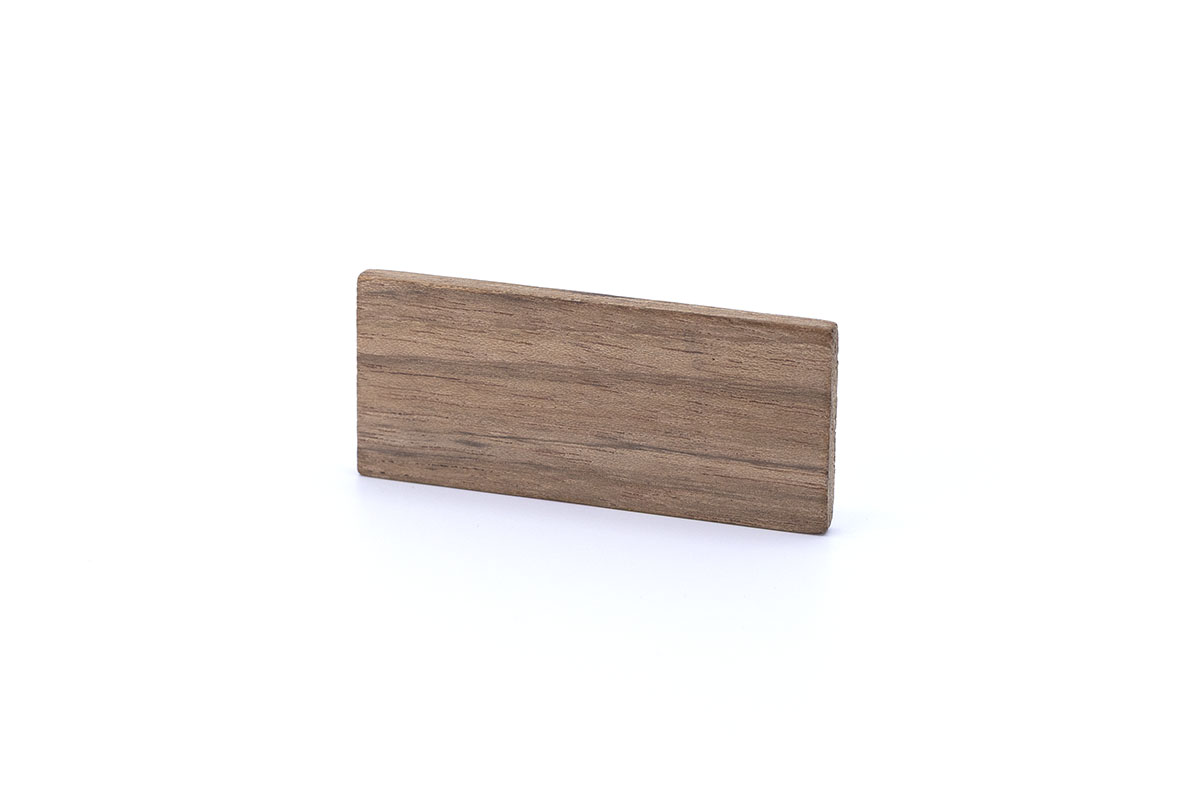
Natural wood is the main raw material we use to make our handles.

The various types of wood we use are selected and treated under rigorous quality controls. Sourced from around the world, they carry the appropriate FSC® and PEFC certifications, depending on the species. We offer a wide variety of woods with different hardness, grain, color, texture, density, and specific gravity, depending on the type of wood you choose.

Features

Natural wood remains one of the most highly valued materials for the manufacture of handles, grips, and technical components thanks to its combination of strength, lightness, ergonomics, and natural beauty. Each species has its own grain, color, and mechanical properties, allowing us to select the most suitable material for each application. At Núñez Handles, we work with a wide selection of woods sourced from trusted suppliers, carefully chosen for their quality, stability, and performance during machining. Each piece retains its unique character, adding personality and distinction to the final product.
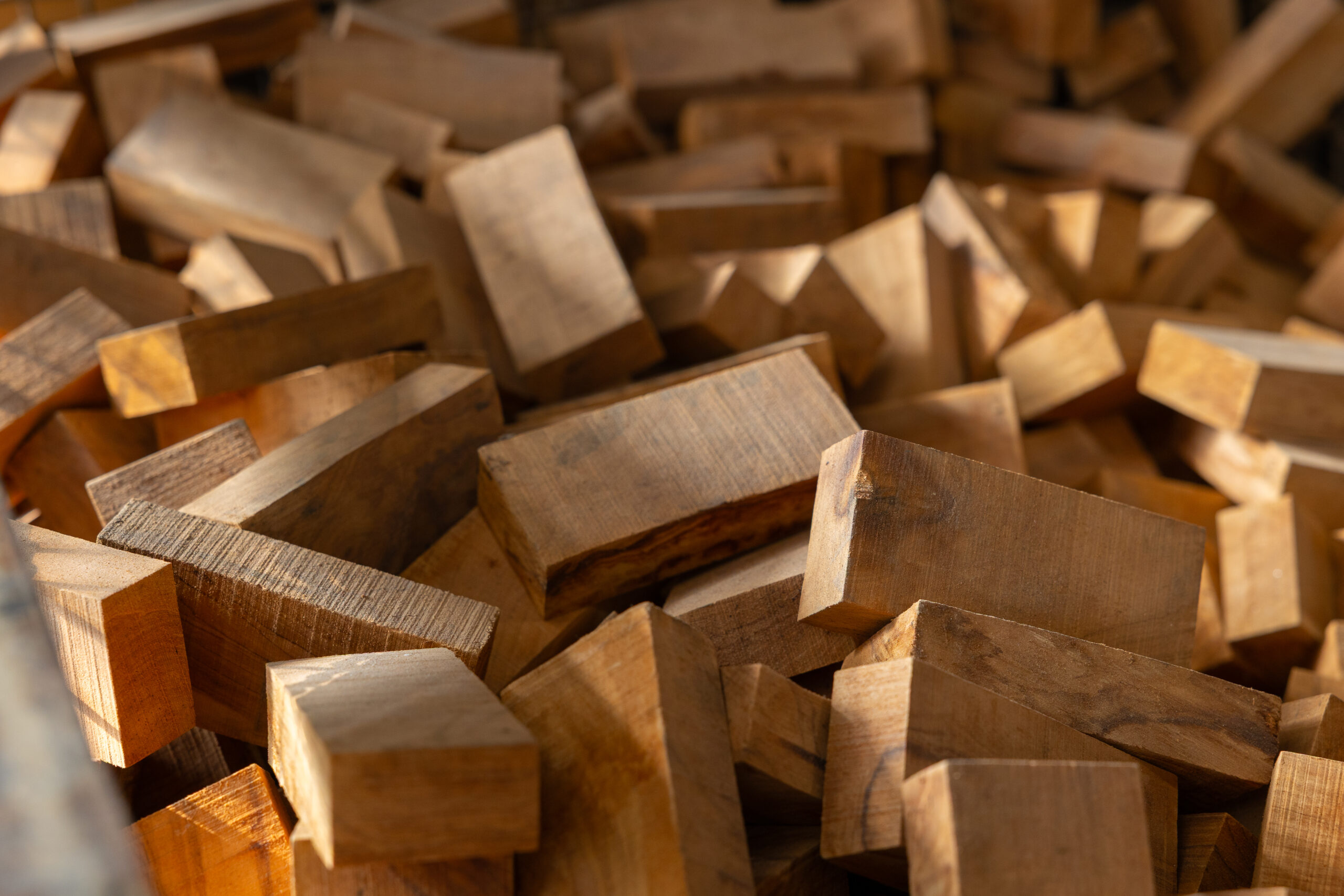
Tacos de madera natural

In addition to their aesthetic appeal, many types of wood offer excellent wear resistance and a warm, comfortable feel—qualities that are especially valued in tools and products used frequently. Depending on the project, we can advise on the most suitable wood species based on requirements for strength, weight, finish, or appearance. Our expertise in wood machining, combined with our manufacturing processes and quality control, allows us to offer components with high dimensional accuracy and a uniform finish, tailored to each manufacturer’s specifications.

Certified and sustainable

JULIÁN NÚÑEZ'S WIDOW, in her commitment to biodiversity and her concern for environmental conservation, sources sustainable raw materials certified by PEFC, FSC®, and under the CITES agreement.

Scroll to Top